The security industry spent decades perfecting a model that stopped working years ago — and most organizations are still funding it as if the threat landscape hasn’t fundamentally shifted.
Perimeter defense operates on the assumption that you build a wall, control the gates, and trust everything inside — but that model collapsed under the weight of distributed systems, remote access, and adaptive threats that don’t respect static boundaries. Cybersecurity recognized this pattern early, which is why by 2026, 70% of enterprises had adopted Zero Trust frameworks built on the principle that location doesn’t equal safety.
Physical security is arriving at the same realization — just years behind the learning curve.
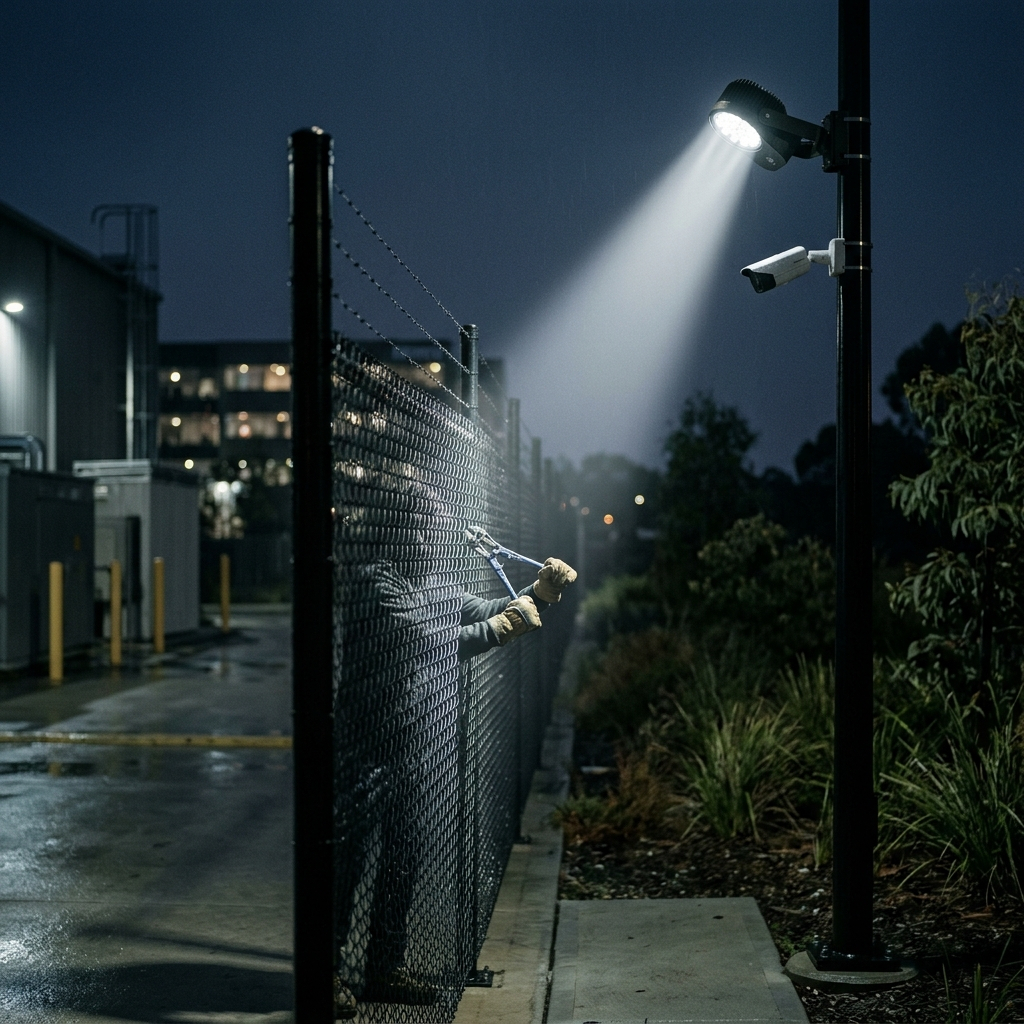
The fence line hasn’t changed. The credential system hasn’t changed. The infrastructure still assumes that perimeter control equals threat prevention. But the threat landscape evolved past the point where static boundaries provide meaningful protection, and the gap between what security claims to do and what it actually prevents keeps widening. Perimeter-based thinking assumes threats approach from outside, announce themselves at entry points, and respect the rules of engagement — and that assumption creates the vulnerability.
The perimeter didn’t fail because it was poorly designed. It failed because the threat model outgrew the defense model — and the industry kept optimizing a framework that no longer matched reality.
Why Perimeter Defense Became a Commodity
Physical security optimized deterrence for 25 years while calling it innovation. Add more cameras. Increase resolution. Extend storage. Integrate access control. The industry treated incremental additions as progress while the fundamental architecture — passive observation that arrives after the threat has already moved — remained completely unchanged.
The result was commoditization disguised as advancement.
Traditional CCTV systems are designed to document events, not stop them — which makes sense if your primary concern is proving what happened after an incident rather than preventing it from occurring in the first place. Passive security operates on a clear logic: cameras record, alarms sound, guards respond. But by the time the system activates, the intruder has already breached the perimeter, moved through the property, and initiated the threat you’re trying to prevent.
The gap between detection and intervention is where the damage happens.
Cybersecurity faced this same structural problem and recognized that perimeter-based trust was fundamentally flawed — not because the technology failed, but because the assumption underneath it couldn’t hold. Dan Schiappa at Arctic Wolf observed that identity became the new perimeter, which reflected a deeper shift in thinking: location-based trust no longer works when threats are adaptive and distributed. Passing an access check at 8:00 AM doesn’t mean the system should implicitly trust that connection at 10:00 AM without continuous validation.
Physical security is learning this lesson through the same painful pattern recognition.
Access granted doesn’t equal continuous authorization. The person who enters your facility with valid credentials at shift start may not represent the same threat profile two hours later when behavior changes, context shifts, or intent evolves. Static perimeter models can’t adapt to that reality — which means they can’t defend against it.
The Organizational Inertia Problem
The perimeter remains organizationally embedded despite being technically obsolete.
Forty-eight percent of businesses report difficulties integrating Zero Trust across hybrid environments — not because the technology is unavailable, but because security teams, procurement processes, and partner contracts still assume network boundaries define trust zones. The same organizational inertia exists in physical security, where budgets are allocated to perimeter reinforcement, contracts are structured around access control and surveillance, and training focuses on monitoring recorded footage rather than real-time intervention.
The infrastructure assumes the perimeter holds — even when the evidence shows it doesn’t.
Organizations now worry as much about the bad intentions and unexpected vulnerabilities of the people they think they know — employees, contractors, vendors — as they do about unidentified individuals on the outside trying to breach the boundary. The insider threat isn’t new, but what’s new is the recognition that perimeter-based models provide no defense against it because the threat is already inside the trusted zone.
This creates a structural mismatch between how security is funded and how threats actually operate — and that mismatch compounds over time.
You can’t solve a distributed, adaptive, behavior-driven threat with a static, location-based defense. The industry recognizes this pattern. The procurement process hasn’t caught up.
What Happens When You Shift From Perimeter to Horizon
Defense at the horizon means intervention happens before the threat reaches the asset — not after credentials are verified, not after the perimeter is breached, and not after damage has already occurred.
Cybersecurity shifted to continuous verification, behavioral analytics, and real-time response because the old assumption — “trust until proven otherwise” — created exploitable gaps that adaptive threats weaponized immediately. The new operating principle became “verify constantly, regardless of location,” which isn’t paranoia or over-engineering — it’s recognition that threats don’t respect boundaries and that trust degrades over time without validation.
Physical security requires the same shift in foundational assumptions.
Real-time monitoring and clear escalation routines transform cameras from passive witnesses into components of active protection — but only if someone is actively monitoring the footage and responding in real time, which most organizations don’t resource adequately. Without that human layer, trespassers have time to move through a property, cause damage, or commit theft before anyone intervenes, which means prevention requires immediate human action rather than next-day review of what was lost.
The speed between detection and intervention determines whether you prevent loss or merely document it.
In cybersecurity, this metric is called Mean Time to Contain (MTTC) — the average time from breach detection to containment — and industry average sits at 277 days, which is catastrophic. Zero Trust targets drive that number below 30 days, and the difference isn’t incremental improvement — it’s the gap between catastrophic compromise and controlled exposure that can be analyzed and addressed.
Physical security operates on a compressed timeline, but the principle holds. Dwell time — the period between breach and response — is where damage compounds, and passive systems maximize dwell time by design because they record the event, store the footage, and wait for someone to review it after the fact. Active systems minimize dwell time by triggering intervention at the moment of detection, which collapses the window where threat actors can operate freely.
That distinction isn’t about better cameras or faster alerts. It’s about systems that fight back at the moment of threat — not after evidence is collected and analyzed.
What Active Defense Actually Means
Active defense is proactive intervention before damage occurs — which sounds obvious until you realize most security systems are designed to activate after the threat has already materialized.
The difference between active and passive security is that active systems attempt to prevent the attack or incident before it occurs, which isn’t just about faster alerts or better notification systems — it’s about systems designed to disrupt the threat actor’s ability to complete the objective in real time. In cybersecurity, this means automated threat response, credential revocation, and network segmentation triggered by behavioral anomalies without waiting for human approval. In physical security, it means non-lethal intervention that makes the target unwilling or unable to proceed.
Active deterrence is any additional measure taken by a surveillance system to ward off potential intruders and actively deter crime — and the key word is “actively,” which changes the entire operational framework.
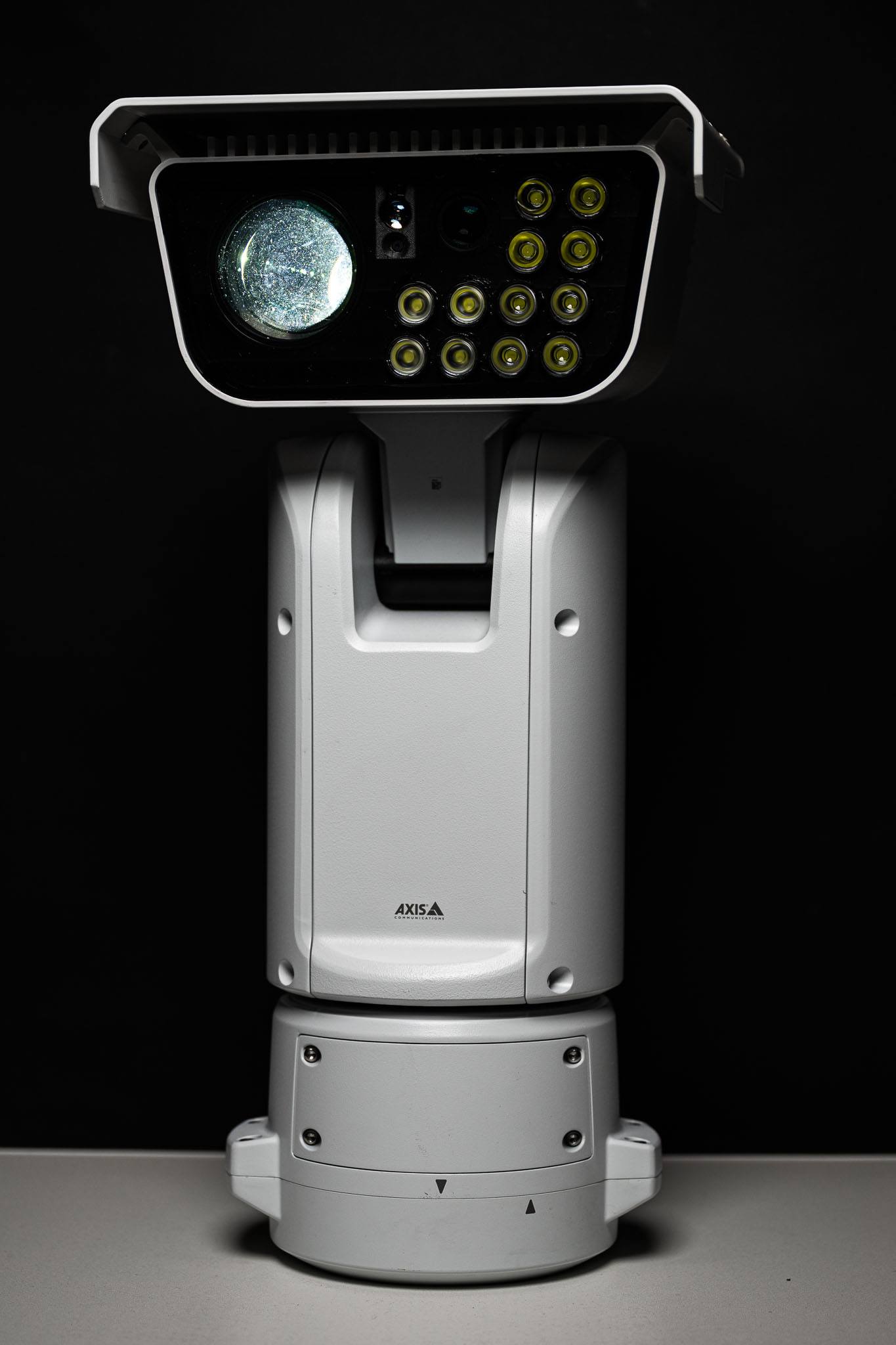
Passive deterrence assumes the presence of cameras or signage will discourage bad actors, which works until it doesn’t. Active deterrence assumes threats are adaptive and require real-time opposition — non-lethal light systems, audio warnings, and automated physical barriers that don’t just document the intrusion but disrupt it at the moment it’s detected.
This isn’t about replacing passive systems. It’s about adding the layer that passive systems can’t provide — intervention at the moment of threat.
I spent 25 years watching the physical security industry optimize documentation while calling it prevention, and the pattern was clear across every installation, every client conversation, and every incident review. Every innovation still arrived too late. By the time systems activated, damage was done. The gap between what security claimed to do and what it actually prevented kept widening, and nobody was addressing the structural problem underneath the surface-level improvements.
Now we’re building the product the industry said it had been waiting for — one that fights back before the crime starts, not after credentials are verified or perimeters are breached.
The Shift From Recording to Intervention
Recording is valuable. It provides evidence, supports investigations, and creates accountability after events occur. But recording doesn’t stop the event from happening — which is the part the industry keeps forgetting when it presents documentation tools as prevention solutions.
The industry commoditized itself by treating documentation as the endpoint rather than the starting point. Higher resolution cameras don’t prevent theft. Longer storage windows don’t stop vandalism. Integration with access control systems doesn’t eliminate insider threats. These tools provide visibility, which is necessary — but visibility without intervention is observation, not defense.
Visibility without intervention is observation, not defense.
Cybersecurity learned this through painful experience when monitoring network traffic and logging access attempts created massive data lakes that teams couldn’t process fast enough to matter. Threats moved faster than human analysts could respond, which meant the solution wasn’t more data — it was automated response triggered by behavioral signals, not static rules that assumed yesterday’s threat model would still apply tomorrow.
Physical security is learning the same lesson — just years behind the realization curve.
You can’t close the gap between detection and response by hiring more guards or adding more cameras because the timeline is too compressed and human reaction time is too slow. The threat actor has already moved past the perimeter by the time someone reviews the alert, evaluates the context, and decides how to respond.
Active systems collapse that timeline by triggering intervention automatically — non-lethal disruption at the moment of detection, with no human delay and no decision latency. The system detects the threat and responds in real time, creating opposition before the actor reaches the asset.
This doesn’t eliminate the need for human oversight. It eliminates the dependency on human reaction speed — which is the constraint that passive systems can’t overcome.
What This Means for Security Leaders
Security leaders are responsible for protecting assets in an environment where perimeter-based trust no longer holds — and where procurement processes, budget cycles, and organizational structures still assume static boundaries provide meaningful protection.
The fence line still matters. Access control still matters. Surveillance still matters. But those tools operate within a framework that assumes the perimeter defines the trust boundary, and that assumption creates exploitable gaps that adaptive threats weaponize immediately.
Cybersecurity closed those gaps by shifting from perimeter defense to continuous verification — evaluating every access request in context, measuring every behavior against baseline patterns, and never assuming trust without continuously validating it.
Physical security requires the same structural shift.
Active intervention systems don’t replace passive surveillance. They add the layer that passive systems can’t provide — real-time opposition at the moment of threat. This isn’t about choosing between documentation and prevention. It’s about recognizing that documentation alone isn’t prevention, and that the industry has been conflating the two for 25 years.
The organizations that adapt fastest will be the ones that recognize the perimeter is dead and defense starts at the horizon — not because the fence disappeared, but because threats no longer respect the boundary and static defenses can’t adapt to dynamic behavior.
Defense at the horizon means intervention happens before the threat reaches the asset.
That’s not incremental improvement. That’s a structural shift in how security operates — and the industry is ready for it because the technology exists, the threat landscape demands it, and the old model stopped working years ago. The question is whether procurement processes, budget allocations, and organizational structures will adapt fast enough to support it.
To Recap
Three things to take with you:
1. Perimeter-based trust is structurally flawed in distributed, adaptive threat environments. Location doesn’t equal safety. Access granted doesn’t equal continuous authorization. Static boundaries can’t defend against dynamic threats — which means the framework underneath most security programs is built on assumptions that no longer hold.
2. The gap between detection and intervention is where damage occurs. Passive systems maximize dwell time by design because they’re built to document rather than disrupt. Active systems minimize dwell time by triggering real-time opposition at the moment of threat — collapsing the window where attackers can operate freely.
3. Defense at the horizon requires intervention before the threat reaches the asset. This isn’t about replacing passive surveillance. It’s about adding the layer that passive systems can’t provide — real-time disruption that makes targets unwilling or unable to complete the objective before damage occurs.
The perimeter didn’t fail because it was poorly designed. It failed because the threat model outgrew the defense model — and physical security is arriving at the same inflection point cybersecurity faced years ago. The organizations that recognize this shift will build defenses that prevent loss rather than document it.